Sunday, September 19, 2021

Summer Task 2 B: Lighting Equipment and Setups for These Scenarios

 A Small Documentary Where Portability is Paramount

In this scenario I would rely mostly on light sources available in the environment such as sunlight or the lights within a building with the exception of a small light for shots where available light is lacking. This would allow for the prompt setting up of shots as there would be little to no lighting equipment to set up and pack away afterwards. 

Therefore, not only would this aid portability by being light and compact, but the quick set up time would allow you to move from one shooting location to another quickly and film more shots on a tight schedule. However, this minimal set up might limit the types of shots you are able to record while maintaining reasonable quality and would make filming in low light settings more difficult. Using one small light like the one pictured may also result in a lack of depth in the image that would otherwise be provided by a set up with multiple light sources.


Talking Head Style Interview


For a talking head interview I would use high key lighting achieved with a three-point set up (key, fill, and back lights). This is because the tone of such interviews is often informational, so the only purpose the lighting set up would serve is to make sure the viewer can see the interviewee clearly.

While using a full three-point lighting set up is beneficial because it would create a sense of depth, a drawback would include the time it takes to set up and lack of portability as it requires multiple large lights. Such equipment might also dig into the budget of a smaller production.


A Night Time Shoot

When shooting at night I would attempt to rely on light sources that are part of the environment, such as the moon or street light, because using too much artificial light could make the shot look unnaturally bright. However, this may be hard to stick to in setting where natural sources don't provide enough light to allow the audience to see the subject of a shot.

Much of the light here originates from within the environment


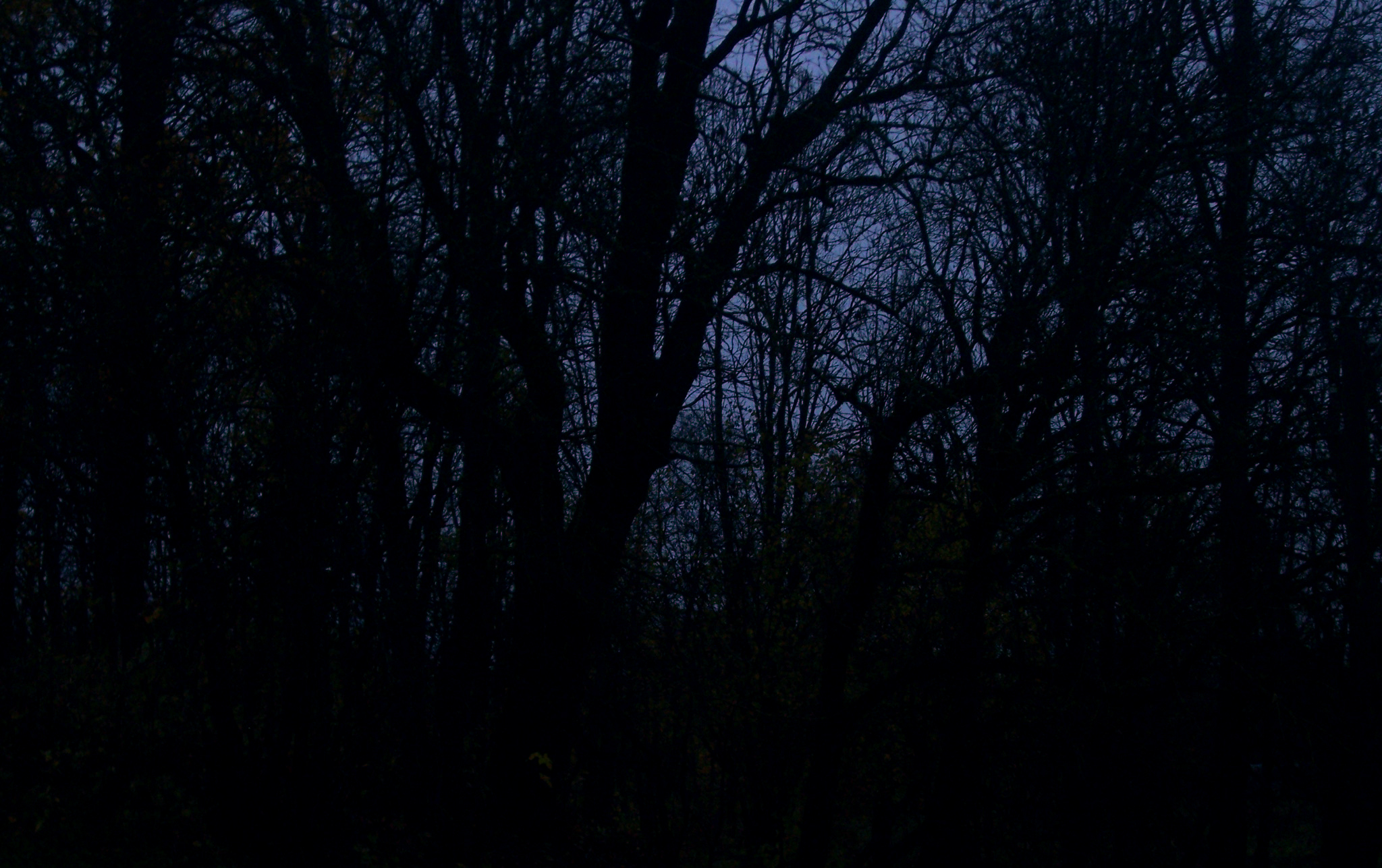
So my approach would depend on the setting. An inside space or urban street may be well lit enough by natural light sources, such as lamps or streetlights, that few artificial lights are necessary. On the other hand, in settings which are normally pitch black during the night, like forests or a house when everyone is asleep, subtle use of artificial lights may be required to create a visible picture.
 
 
It would be difficult to see action here without extra lighting.


Summer Task 2 A: How and Why Lighting Affects Camera Techniques for Moving Image


How does lighting affect camera techniques for moving image? 

Lighting can affect filming video through tone because different lighting set ups can give varying tones to an otherwise identical shot. For example, low key lighting, when there are fewer light sources and higher contrast as a result, can be used to give a darker and more intense tone to a scene (In Depth Cine, 2020). The converse is also true, where high key lighting can be used to create a lighter tone and is therefore often used in comedies and beauty shots (In Depth Cine, 2020). 


Lighting is also used to create depth by casting shadows and highlighting some areas more than others (Parker Walbeck, 2018). Softer, diffused light casts lower gradient shadows which lowers contrast overall, whereas hard lighting has the opposite effect (In Depth Cine, 2020). All of this is adjusted with the primary goal of enabling the viewer to suspend their disbelief and feel more connected to the story being told.


As Landau (2014, p. 5) states “We use lighting to deceive the viewer into believing what is happening is real and this is done by using lighting set ups to enable the camera to see more and produce video that looks more real than artificial. 


Reference List:

  • In Depth Cine. (2020) 5 Lighting Concepts Every Cinematographer Needs To Know. [Online]. Available from: https://youtu.be/uAglas428D8 

  • Parker Walbeck. (2018) Cinematic Lighting Techniques | Part 1. [Online]. Available from: https://youtu.be/eZ5hpcn6tIM 

  • Landau, D. (2014) Lighting For Cinematography: A Practical Guide to the Art and Craft of Lighting for the Moving Image. London. Bloomsbury Publishing Plc.

Wednesday, September 8, 2021

Labels


Summer Task One: Easy Rider Textual Analysis


This clip from Easy Rider (1969) opens with a long shot that shows four characters: the two male protagonists and the two prostitutes they have spent the previous night with. The camera looks down at the characters from a high angle. This, along with their position sat close to and, later in the sequence, on the ground suggests that they are low in social status because it creates the effect that the audience is looking down on them. The setting also tells the audience that these characters are low status as the background is part of a dilapidated building. The way these characters are presented to the audience is a reflection of how they are viewed in society. As drug users and part of the 1960s counter culture, they are looked down upon by the establishment - an idea that is best exemplified by the Bible reading lady appearing in a low angle shot as she towers over the audience and is made to seem larger than life.

The sequences showing their drug use gives way to a montage which rapidly cuts between many different types of shots including a low angle, vertical panning shot of the run-down building, a zoomed in shot of a sunset, a low angle shot of a young woman reading from the bible (who can be heard throughout the montage), shots of various Christian imagery such as crucifixes and statues, and brief shots of the hippie characters getting high and undressing. This vast array of different shot types and the fast paced cuts are used to disorientate the audience and therefore mimic the experiences of the characters after taking LSD, enabling the audience to empathise with them while the Christian imagery and Bible reading represent the establishment which would judge them for such an act.

As well as the reading from the Bible, sound is used to heighten the intensity of the sequence and create a disorientating experience for the audience. This is primarily achieved with the inclusion of a repetitive and unpleasant industrial clanging coming from somewhere off screen. The sounds of industry and machinery is heavily juxtaposed with the intimacy of the characters actions and it continues to be heard alongside the woman reading the Bible and the barely audible dialogue of the characters which further adds to the effect of disorientation. Furthermore, the way the characters' dialogue during their trip is in the background and faded compared to the other sources of sound disconnects them from the audience just as they are disconnected from reality by the drugs to some extent.

Lighting is used in this sequence to create feelings of disorientation and uneasiness, conveying the feelings of the characters who are having a bad LSD trip. The sun takes the role of a key light and is angled above and to the right which creates distinct shadows in the bottom left half of the frame, giving the opening shot of the sequence high contrast. The shadowy, high contrast shot where the characters initially take the LSD is itself contrasted with high exposure shots later in the montage like the shots of the sky from the cemetery and of the characters during their acid trip, some including lens flare so that the sun remains a continued theme and the primary source of lighting. Such juxtaposition between these examples of high key lighting and the high contrast lighting of the opening shot creates conflict in the lighting of the sequence as a whole. This combines with the fast cuts to add to the disorientation effect and forces the audience to empathise with the unease of the characters.

Each aspect of this sequence seems to ultimately serve the goal of coercing the audience into empathising with the characters' negative experiences surrounding their bad acid trip. This does not, however, vilify the drug or the people using it as the establishment of the US in the 1960s did. Instead, the authenticity brings the audience member closer to the pariah characters and encourages a second look at the use of drugs, a perception different from the one presented by establishments of authority like the government and the church.

Music Video Plan PowerPoint